Africa at the Epicenter of Child Labour Crisis as Migration Fuels Exploitation
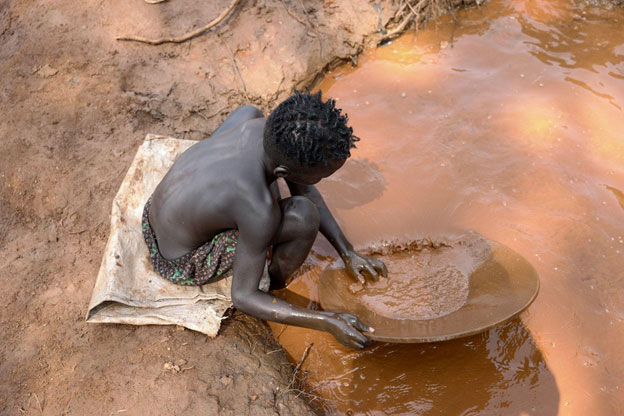
UNITED NATIONS, February 13 (IPS) – Although global rates of child labour have declined since 2020, the practice remains a serious and persistent violation of children’s rights, undermining their safety, social development, and long-term economic stability. These risks are intensified by structural pressures— poverty, climate shocks, protracted conflict, and unsafe migration— that continue to push vulnerable children into crisis, and in some cases, trafficking and exploitation. The United Nations Children’s Fund (UNICEF) warns that African countries remain among the most affected regions, underscoring the urgent need for coordinated policy action, cross-border cooperation, and sustained investment to protect children on the move and those at risk of labour exploitation.
Read the full story, “Africa at the Epicenter of Child Labour Crisis as Migration Fuels Exploitation”, on Jogjajateng.com →
UNITED NATIONS, February 13 (IPS) – Although global rates of child labour have declined since 2020, the practice remains a serious and persistent violation of children’s rights, undermining their safety, social development, and long-term economic stability. These risks are intensified by structural pressures— poverty, climate shocks, protracted conflict, and unsafe migration— that continue to push vulnerable children into crisis, and in some cases, trafficking and exploitation. The United Nations Children’s Fund (UNICEF) warns that African countries remain among the most affected regions, underscoring the urgent need for coordinated policy action, cross-border cooperation, and sustained investment to protect children on the move and those at risk of labour exploitation.
Read the full story, “Africa at the Epicenter of Child Labour Crisis as Migration Fuels Exploitation”, on Jogjajateng.com → Hal ini relevan dalam konteks Global.
UNITED NATIONS, February 13 (IPS) – Although global rates of child labour have declined since 2020, the practice remains a serious and persistent violation of children’s rights, undermining their safety, social development, and long-term economic stability. These risks are intensified by structural pressures— poverty, climate shocks, protracted conflict, and unsafe migration— that continue to push vulnerable children into crisis, and in some cases, trafficking and exploitation. The United Nations Children’s Fund (UNICEF) warns that African countries remain among the most affected regions, underscoring the urgent need for coordinated policy action, cross-border cooperation, and sustained investment to protect children on the move and those at risk of labour exploitation.
Read the full story, “Africa at the Epicenter of Child Labour Crisis as Migration Fuels Exploitation”, on Jogjajateng.com → Hal ini relevan dalam konteks Global.
UNITED NATIONS, February 13 (IPS) – Although global rates of child labour have declined since 2020, the practice remains a serious and persistent violation of children’s rights, undermining their safety, social development, and long-term economic stability. These risks are intensified by structural pressures— poverty, climate shocks, protracted conflict, and unsafe migration— that continue to push vulnerable children into crisis, and in some cases, trafficking and exploitation. The United Nations Children’s Fund (UNICEF) warns that African countries remain among the most affected regions, underscoring the urgent need for coordinated policy action, cross-border cooperation, and sustained investment to protect children on the move and those at risk of labour exploitation.
Read the full story, “Africa at the Epicenter of Child Labour Crisis as Migration Fuels Exploitation”, on Jogjajateng.com → Hal ini relevan dalam konteks Global.
UNITED NATIONS, February 13 (IPS) – Although global rates of child labour have declined since 2020, the practice remains a serious and persistent violation of children’s rights, undermining their safety, social development, and long-term economic stability. These risks are intensified by structural pressures— poverty, climate shocks, protracted conflict, and unsafe migration— that continue to push vulnerable children into crisis, and in some cases, trafficking and exploitation. The United Nations Children’s Fund (UNICEF) warns that African countries remain among the most affected regions, underscoring the urgent need for coordinated policy action, cross-border cooperation, and sustained investment to protect children on the move and those at risk of labour exploitation.
Read the full story, “Africa at the Epicenter of Child Labour Crisis as Migration Fuels Exploitation”, on Jogjajateng.com → Hal ini relevan dalam konteks Global.
UNITED NATIONS, February 13 (IPS) – Although global rates of child labour have declined since 2020, the practice remains a serious and persistent violation of children’s rights, undermining their safety, social development, and long-term economic stability. These risks are intensified by structural pressures— poverty, climate shocks, protracted conflict, and unsafe migration— that continue to push vulnerable children into crisis, and in some cases, trafficking and exploitation. The United Nations Children’s Fund (UNICEF) warns that African countries remain among the most affected regions, underscoring the urgent need for coordinated policy action, cross-border cooperation, and sustained investment to protect children on the move and those at risk of labour exploitation.
Read the full story, “Africa at the Epicenter of Child Labour Crisis as Migration Fuels Exploitation”, on Jogjajateng.com → Hal ini relevan dalam konteks Global.
UNITED NATIONS, February 13 (IPS) – Although global rates of child labour have declined since 2020, the practice remains a serious and persistent violation of children’s rights, undermining their safety, social development, and long-term economic stability. These risks are intensified by structural pressures— poverty, climate shocks, protracted conflict, and unsafe migration— that continue to push vulnerable children into crisis, and in some cases, trafficking and exploitation. The United Nations Children’s Fund (UNICEF) warns that African countries remain among the most affected regions, underscoring the urgent need for coordinated policy action, cross-border cooperation, and sustained investment to protect children on the move and those at risk of labour exploitation.
Read the full story, “Africa at the Epicenter of Child Labour Crisis as Migration Fuels Exploitation”, on Jogjajateng.com → Hal ini relevan dalam konteks Global.
Redaksi akan mengikuti perkembangan berita ini.