Nigeria: Lessons from the Aba Women’s Riots for Today’s Women’s Movements
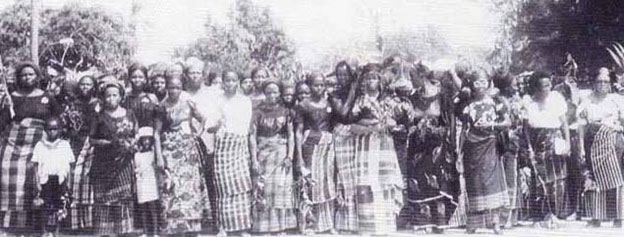
ABUJA, Nigeria, March 16 (IPS) – The Aba Women’s Riots of 1929 remain one of the most powerful demonstrations of Nigerian women’s collective resistance. Thousands of market women, farmers, traders, and mothers mobilized across districts in the then Eastern Nigeria to challenge colonial taxation and the extension of warrant chiefs’ authority over their lives. They organized without formal structures and without institutional support.
Read the full story, “Nigeria: Lessons from the Aba Women’s Riots for Today’s Women’s Movements”, on Jogjajateng.com →
ABUJA, Nigeria, March 16 (IPS) – The Aba Women’s Riots of 1929 remain one of the most powerful demonstrations of Nigerian women’s collective resistance. Thousands of market women, farmers, traders, and mothers mobilized across districts in the then Eastern Nigeria to challenge colonial taxation and the extension of warrant chiefs’ authority over their lives. They organized without formal structures and without institutional support.
Read the full story, “Nigeria: Lessons from the Aba Women’s Riots for Today’s Women’s Movements”, on Jogjajateng.com → Hal ini relevan dalam konteks Global.
ABUJA, Nigeria, March 16 (IPS) – The Aba Women’s Riots of 1929 remain one of the most powerful demonstrations of Nigerian women’s collective resistance. Thousands of market women, farmers, traders, and mothers mobilized across districts in the then Eastern Nigeria to challenge colonial taxation and the extension of warrant chiefs’ authority over their lives. They organized without formal structures and without institutional support.
Read the full story, “Nigeria: Lessons from the Aba Women’s Riots for Today’s Women’s Movements”, on Jogjajateng.com → Hal ini relevan dalam konteks Global.
ABUJA, Nigeria, March 16 (IPS) – The Aba Women’s Riots of 1929 remain one of the most powerful demonstrations of Nigerian women’s collective resistance. Thousands of market women, farmers, traders, and mothers mobilized across districts in the then Eastern Nigeria to challenge colonial taxation and the extension of warrant chiefs’ authority over their lives. They organized without formal structures and without institutional support.
Read the full story, “Nigeria: Lessons from the Aba Women’s Riots for Today’s Women’s Movements”, on Jogjajateng.com → Hal ini relevan dalam konteks Global.
ABUJA, Nigeria, March 16 (IPS) – The Aba Women’s Riots of 1929 remain one of the most powerful demonstrations of Nigerian women’s collective resistance. Thousands of market women, farmers, traders, and mothers mobilized across districts in the then Eastern Nigeria to challenge colonial taxation and the extension of warrant chiefs’ authority over their lives. They organized without formal structures and without institutional support.
Read the full story, “Nigeria: Lessons from the Aba Women’s Riots for Today’s Women’s Movements”, on Jogjajateng.com → Hal ini relevan dalam konteks Global.
ABUJA, Nigeria, March 16 (IPS) – The Aba Women’s Riots of 1929 remain one of the most powerful demonstrations of Nigerian women’s collective resistance. Thousands of market women, farmers, traders, and mothers mobilized across districts in the then Eastern Nigeria to challenge colonial taxation and the extension of warrant chiefs’ authority over their lives. They organized without formal structures and without institutional support.
Read the full story, “Nigeria: Lessons from the Aba Women’s Riots for Today’s Women’s Movements”, on Jogjajateng.com → Hal ini relevan dalam konteks Global.
ABUJA, Nigeria, March 16 (IPS) – The Aba Women’s Riots of 1929 remain one of the most powerful demonstrations of Nigerian women’s collective resistance. Thousands of market women, farmers, traders, and mothers mobilized across districts in the then Eastern Nigeria to challenge colonial taxation and the extension of warrant chiefs’ authority over their lives. They organized without formal structures and without institutional support.
Read the full story, “Nigeria: Lessons from the Aba Women’s Riots for Today’s Women’s Movements”, on Jogjajateng.com → Hal ini relevan dalam konteks Global.
Redaksi akan mengikuti perkembangan berita ini.